Curator / Doris Ma
Updated at 2026-07-27
Introduction
Diplomatic gifts are not always formal plaques or commemorative medallions. Sometimes, they arrive from across the sea as a cuddly plush toy or a beautifully carved ostrich egg. Centered on the animal kingdom, these gifts offer a warm greeting from afar while providing a window into the cultures, traditions, and natural landscapes of the places they represent.
.jpg)
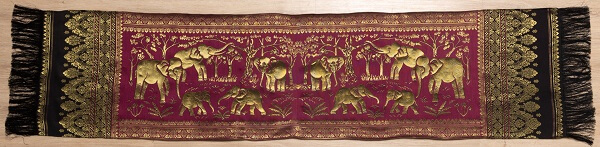
Thailand:Thai Elephant Cushion Cover & Elephant Table Ornament-Thai Elephant
Few animals are as deeply intertwined with a nation's identity as the elephant is with Thailand. Throughout the country's history, elephants have played an integral role in everyday life, royal tradition, religion, and warfare. Revered as auspicious animals, white elephants in particular symbolize nobility, courage, and authority. It is no exaggeration to call the elephant the spiritual icon of Thailand. In ancient times, warriors rode elephants into battle. Royal processions featured magnificent white elephants, while in temples, the elephant-headed deity Ganesha watches over worshippers as a symbol of wisdom and good fortune. To celebrate this treasured animal, Thailand's Surin Province designates March 13 each year as National Elephant Day. Festivities include elephant banquets, blessing ceremonies, parades, and opportunities to experience the work of elephant caretakers. The celebration attracts visitors from around the world while raising awareness of elephant conservation.
Today, elephant-themed souvenirs can be found everywhere in Thailand, from bustling market stalls to luxury boutiques. They have become one of the country's most recognizable cultural icons. The elephant table ornament displayed in the image is a fine example of traditional Thai craftsmanship, with every detail of the elephant carefully rendered by skilled artisans. The elephant cushion cover, meanwhile, was created by Thailand's renowned luxury silk brand Jim Thompson. From cultivating silkworms and spinning silk to designing patterns and weaving the finished textile, every step is completed by hand, showcasing the timeless beauty of Thai craftsmanship.
Gifted by Thongchai Chasawath, Representative, Thailand Trade and Economic Office

Australia: Koala Plush Toy-Koala
Few animals are as closely associated with Australia as the koala. Beloved around the world, this iconic marsupial is famous for its relaxed and sleepy demeanor. Koalas are found only in eastern Australia, inhabiting parts of Queensland, New South Wales, South Australia, and lowland regions of Victoria. Today, however, they are listed as a vulnerable species. Habitat loss, devastating bushfires, and declining food sources continue to threaten wild populations, prompting the Australian government and conservation organizations to work together on long-term protection initiatives to ensure future generations can continue to encounter these remarkable animals.
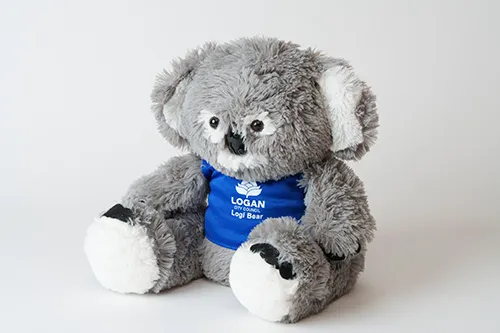
This koala plush toy was presented by Logan City, Queensland. Located in eastern Queensland, close to Brisbane, Logan is home to important koala habitats. Dressed in a shirt bearing the Logan City emblem, the plush combines the city's identity with one of Australia's most beloved native animals, making it both a charming keepsake and a meaningful symbol of friendship.
Gifted by Darren Power, Mayor, City of Logan
<Read More "Koala Plushy">
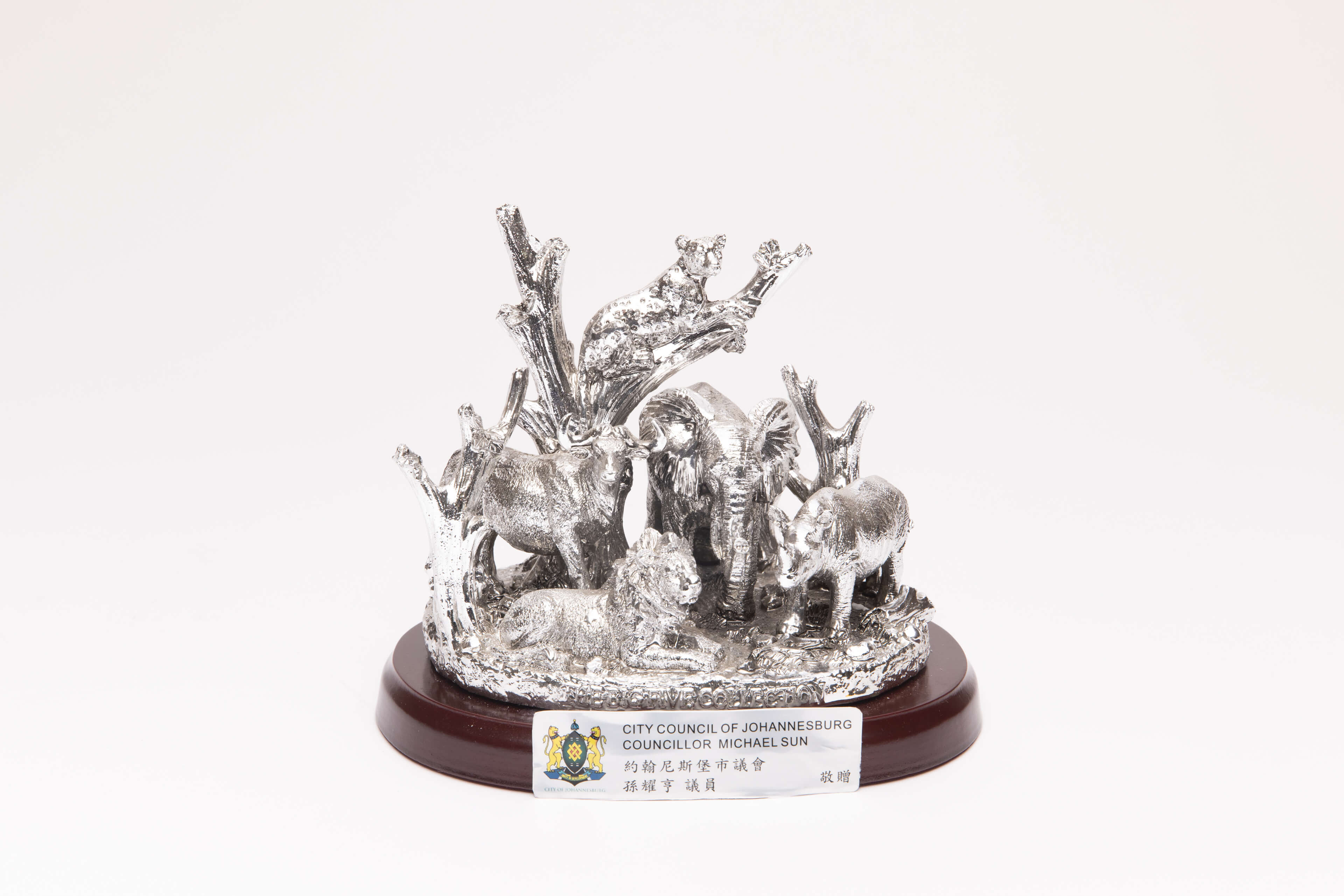
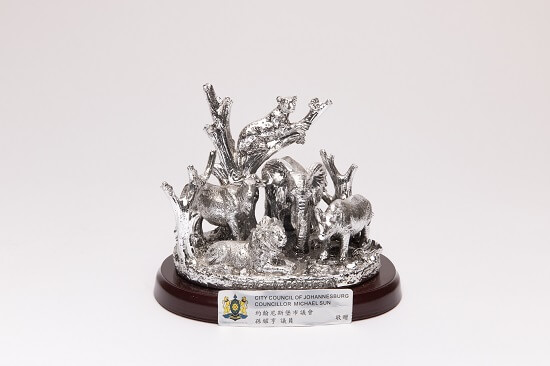
South Africa: Wildlife Sculpture and Painted Ostrich Eggs-Big Five, Ostrich
No introduction to South Africa would be complete without its extraordinary wildlife. The country's vast savannas are home to the legendary Big Five: the lion, African elephant, African buffalo, leopard, and black rhinoceros. Once regarded as the most challenging animals to hunt, they have since become the wildlife that visitors most hope to encounter on safari. The sculpture in the image captures the strength and majesty of these magnificent animals. Today, however, the future of the Big Five faces increasing challenges, making conservation efforts more important than ever. Institutions such as the Johannesburg Zoo are incorporating new technologies into their conservation programs to help protect endangered wildlife and restore vulnerable populations.
Gifted by Micheal Sun, Director, Environment Infrastructure Service Department, City of Johannesburg Metropolitan Municipality
<Read More "Animal Sculpture">
.jpg)
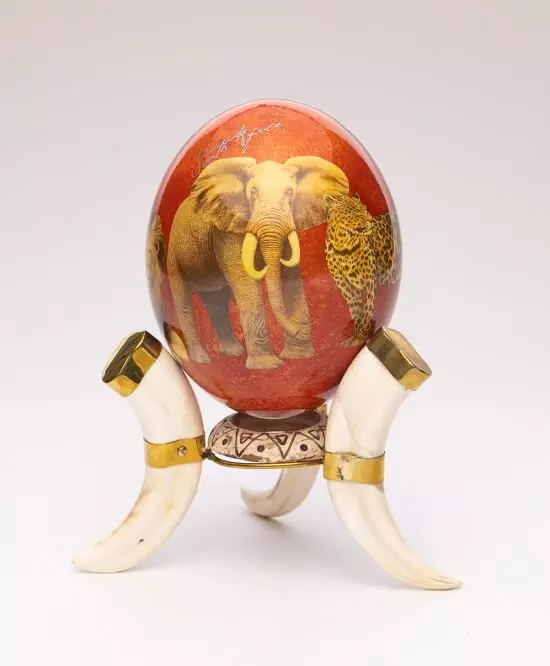
Another of South Africa's most recognizable animals is the ostrich, the largest bird in the world. Highly valued for its lean meat, elegant feathers, and supple leather, the ostrich is also prized for its remarkably large eggs, which have become one of South Africa's signature craft materials. After being carefully carved or hand-painted, each ostrich egg is transformed into a unique work of art. Popular motifs include African wildlife, sweeping landscapes, and traditional decorative patterns. According to the South African Tourism Board, three out of every four visitors purchase an ostrich egg craft as a souvenir, making it one of the country's most sought-after keepsakes.
Both ostrich eggs displayed in the image are decorated with images of the Big Five. One preserves the egg's natural white surface, while the other features vibrant hand-painted colors and is displayed on an ivory-inspired stand. Though different in style, each showcases the exceptional artistry that makes these pieces treasured collectibles.
Gifted by Nancy Wen, Member, Overseas Community Affairs Council

India: Marble Peacock Embedded with Gold Leaf-Peacock
The peacock, India's national bird, occupies a place of profound importance in the country's culture, religion, and artistic traditions. Long regarded as a symbol of nobility, good fortune, and strength, its iridescent plumage, shimmering with brilliant shades of blue, green, and gold, has inspired admiration for centuries. In Hindu mythology, the peacock serves as the mount of Kartikeya, the god of war, symbolizing wisdom, protection, and victory. In Buddhist tradition, it represents compassion and spiritual purification. During the Mughal Empire, the legendary Peacock Throne, lavishly adorned with gold and precious gemstones, stood as the ultimate symbol of imperial authority, reflecting the peacock's prestigious place in royal aesthetics. Today, the peacock remains one of the most enduring motifs in Indian art and design. Its elegant form appears throughout textiles, ceramics, architecture, and decorative arts, offering one of the most vivid expressions of India's artistic heritage.
This artwork was handcrafted by Indian artisans using a traditional technique in which gold leaf, watercolor pigments, and other materials are carefully painted and inlaid onto marble before being sealed beneath a protective enamel coating. The finished piece depicts two magnificent peacocks displaying their fully fanned tails in a dazzling celebration of color and craftsmanship.
Gifted by Manharsinh Laxmanbhai Yadav, Director-general, India Taipei Association
<Read More "Marble Peacock Embedded with Gold Leaf">
.jpg)
.jpg)

.JPG)